In-Depth Analysis of Sustainable Waste Water Therapy Solutions for Environmental Preservation
Lasting wastewater treatment has become a vital component in the realm of ecological conservation, necessitating a comprehensive exam of the diverse services available to resolve this pushing problem. In a globe where water shortage and air pollution are rising issues, the pursuit for eco-conscious and innovative techniques to deal with wastewater has never ever been more urgent. As we browse with the complexities of stabilizing technological developments with ecological stewardship, it becomes noticeable that the path in the direction of sustainable wastewater treatment is diverse and filled with challenges. By checking out the relevance of adopting environment-friendly strategies, recognizing the difficulties in application, and imagining the future landscape of wastewater therapy, an extensive understanding into the intricacies of maintaining our setting can be obtained.
Value of Lasting Wastewater Treatment
Sustainable wastewater treatment plays a vital role in protecting public health and preserving the setting by successfully purifying and handling water infected with various toxins. By carrying out sustainable wastewater treatment options, dangerous impurities such as chemicals, pathogens, and natural issue are eliminated from wastewater prior to it is launched back into the atmosphere. This process guarantees that water resources continue to be tidy and safe for intake, lowering the risk of waterborne diseases and securing the environment.
Moreover, sustainable wastewater treatment assists in conserving water sources by reusing and reusing cured water for different objectives such as irrigation, commercial processes, and also potable water sometimes. This not just reduces the strain on freshwater resources yet additionally promotes water sustainability when faced with growing water deficiency issues around the world.
Ingenious Technologies for Treatment
A number of advanced modern technologies are transforming the landscape of wastewater treatment, enhancing effectiveness and sustainability in the process - Waste Water Treatment. One such innovation is the implementation of membrane bioreactors (MBRs), which combine biological therapy and membrane filtration to properly get rid of contaminants. MBRs offer a smaller sized footprint, greater top quality effluent, and better resistance to fluctuations in natural lots compared to traditional therapy approaches
An additional significant development is using advanced oxidation processes (AOPs), such as ozonation and UV irradiation, to deteriorate relentless organic contaminants and microorganisms in wastewater. AOPs supply a chemical-free option for treating recalcitrant compounds, making certain a higher level of water purity post-treatment.
In addition, the integration of artificial intelligence (AI) and artificial intelligence formulas in wastewater therapy plants is maximizing operations by anticipating system failings, maximizing energy intake, and improving overall treatment efficiency. By harnessing real-time information analytics, AI-driven systems can adapt to altering conditions quickly, causing improved treatment efficiency and decreased environmental influence.
Advantages of Eco-Friendly Solutions
Among the innovations in cutting-edge innovations for wastewater treatment, the fostering of environment-friendly options stands apart as a crucial step towards boosting sustainability and reducing environmental effect. Eco-friendly wastewater treatment options supply a variety of advantages that add considerably to ecological preservation and conservation efforts.
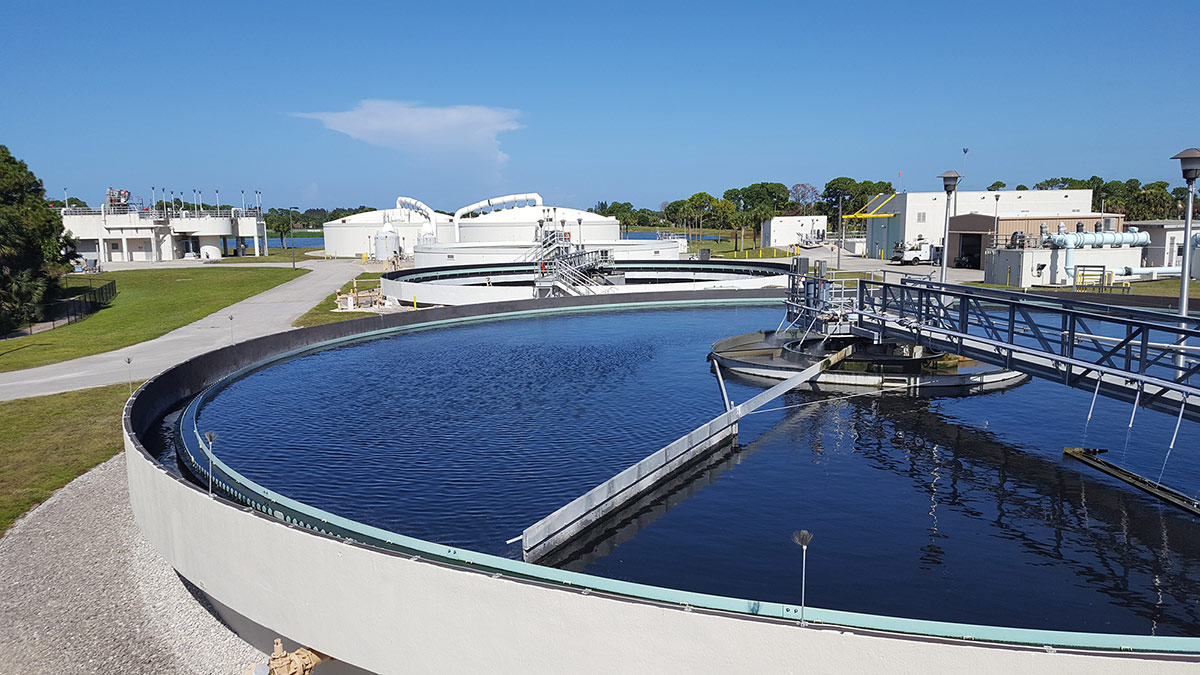
In addition, these sustainable remedies advertise the preservation of water resources by helping with the secure reuse of dealt with wastewater for watering, commercial procedures, or perhaps drinkable functions sometimes. By reducing water wastefulness and pollution, environment-friendly therapies add to the overall security and preservation of water communities, supporting biodiversity and environmental equilibrium. Eventually, the fostering of environment-friendly wastewater therapy options stands for a accountable and positive approach towards lasting environmental management.
Obstacles in Implementing Lasting Approaches
Applying lasting wastewater therapy techniques provides a variety of intricate challenges that communities and companies must browse to accomplish long-term environmental advantages. One substantial difficulty is the high first financial investment required for establishing sustainable therapy systems. While these options provide long-term cost financial savings and ecological advantages, the ahead of time resources needed can be a barrier for several companies, especially smaller sized ones with restricted budget plans. Additionally, the intricacy of sustainable technologies and the demand for specialized understanding to operate and keep them position challenges. Educating staff or working with professionals skilled in these methods is essential yet can be lengthy and costly.
Another barrier is the lack of regulative assistance and incentives for taking on sustainable wastewater therapy practices. Without clear standards or financial advantages from governing bodies, companies might be less motivated to spend in environment-friendly link services. In addition, retrofitting existing treatment centers to incorporate sustainable techniques can be logistically difficult and might require operational downtime, creating disturbances in solution. Getting rid of these obstacles calls for collaborative efforts amongst stakeholders, policymakers, and the neighborhood to prioritize lasting wastewater treatment and job in the direction of getting over these execution obstacles.
Future Overview and Sustainability Goals
As we look ahead, the collective vision for lasting wastewater therapy includes setting ambitious objectives that focus on environmental stewardship and resource efficiency. The future expectation for wastewater therapy services focuses on the integration of cutting-edge technologies to enhance therapy processes while reducing environmental influence. Secret sustainability goals include lowering power usage, minimizing making use of chemicals, and optimizing the healing and reuse of resources such as water and nutrients.
To attain these goals, partnership between federal governments, markets, and research establishments is vital - Waste Water Treatment. This collaborative strategy can assist in the development and execution of ingenious therapy techniques that are not only visit the website efficient in purifying wastewater however also financially practical and eco-friendly. Additionally, a change in the direction of decentralized treatment systems and the fostering of nature-based services can better improve the sustainability of wastewater therapy methods
Verdict
Finally, lasting wastewater therapy services play an essential function in maintaining the environment. Ingenious modern technologies provide green benefits, however obstacles in implementation continue to be. The future outlook for sustainability objectives is promising as more emphasis is positioned on environmental preservation. It is essential that we remain to focus on sustainable approaches to make certain the long-lasting wellness of our planet.
Sustainable wastewater treatment plays a vital role in securing public health and wellness and protecting the setting by efficiently cleansing and managing water infected with various contaminants. By carrying out sustainable wastewater treatment remedies, dangerous contaminants such as chemicals, virus, and organic matter are removed from wastewater before it is released back into the atmosphere. Eventually, the adoption of eco-friendly wastewater treatment services represents a accountable and positive method towards lasting ecological monitoring.
The future expectation image source for wastewater therapy services revolves around the integration of advanced modern technologies to boost treatment processes while lessening ecological impact. Additionally, a change towards decentralized treatment systems and the adoption of nature-based options can additionally improve the sustainability of wastewater therapy techniques.